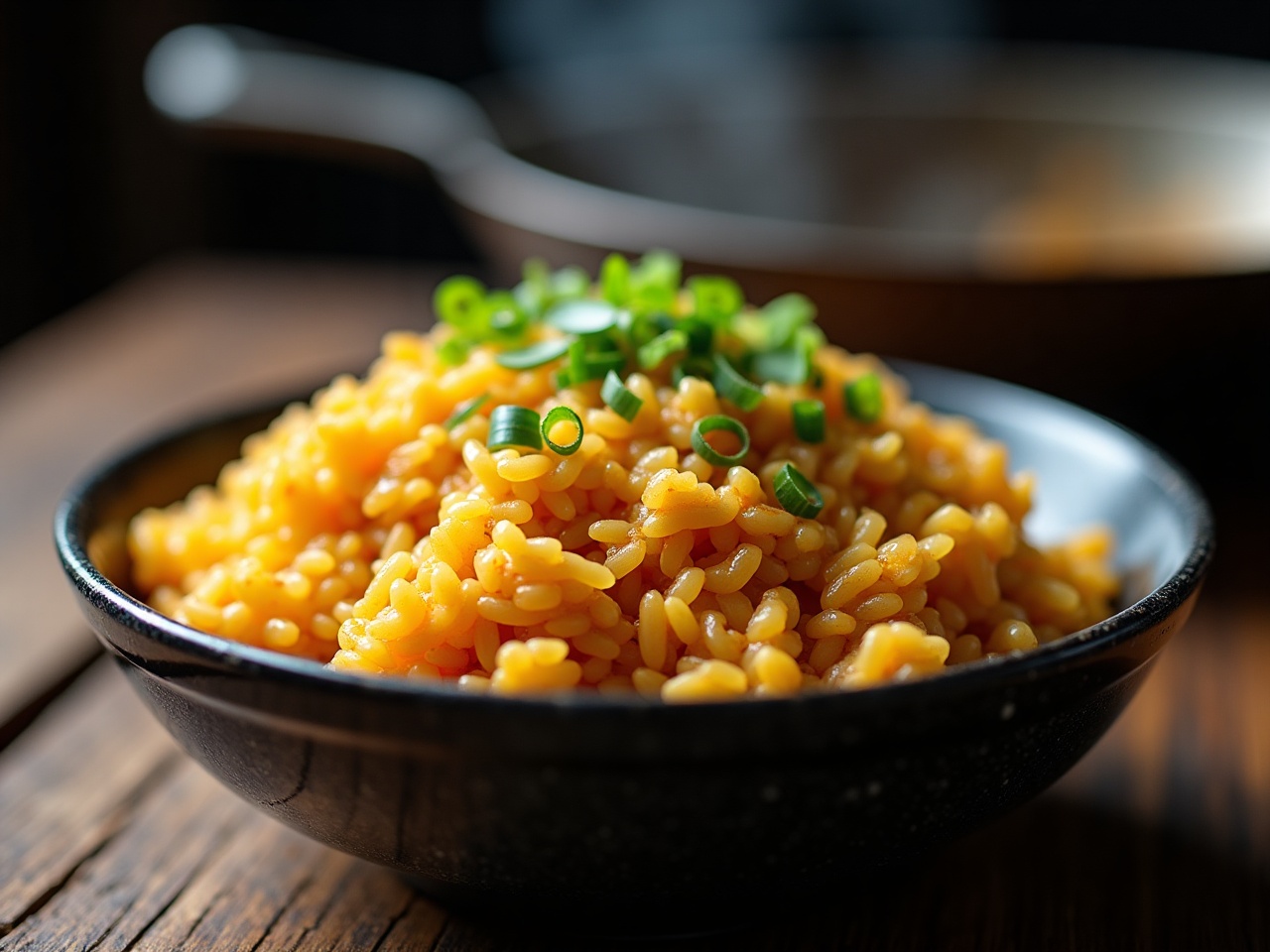
1. Egg Fried Rice
15 min · Beginner · Home-Style (家常菜)
The foundation: master this and you can make any fried rice. Day-old rice, egg, scallions, high heat — simple, fast, and the technique under everything else here.
By The Chowmi Test Kitchen · Updated June 11, 2026
Rice is the foundation of Chinese cooking, and it's far more than a plain side — it becomes some of the most satisfying dishes in the cuisine. The trick is knowing that different rice dishes want different rice and different methods: fried rice needs cold day-old long-grain rice so the grains stay separate; congee wants rice simmered down soft; sticky rice uses a completely different glutinous grain. This collection spans the range, from a fast weeknight fried rice to a slow, soothing bowl of porridge to a hands-off one-pot dinner, and each recipe is matched to the right rice and technique. Whether you want to use up leftover rice, turn the rice cooker into a dinner machine, or make the loaded 'special' fried rice from your favorite restaurant, start here — the notes tell you exactly which dish fits your night.
The foundation: master this and you can make any fried rice. Day-old rice, egg, scallions, high heat — simple, fast, and the technique under everything else here.
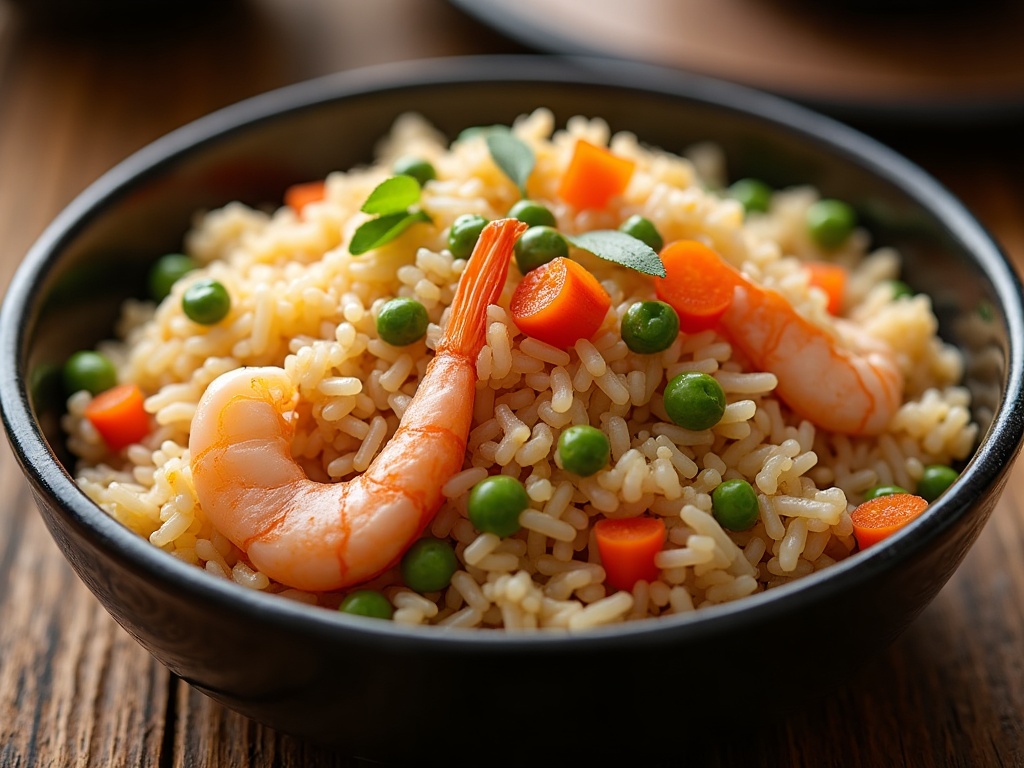
The deluxe upgrade: the loaded 'special' fried rice with shrimp, char siu, egg, and peas. A complete one-pan meal once you've got the fried-rice basics down.
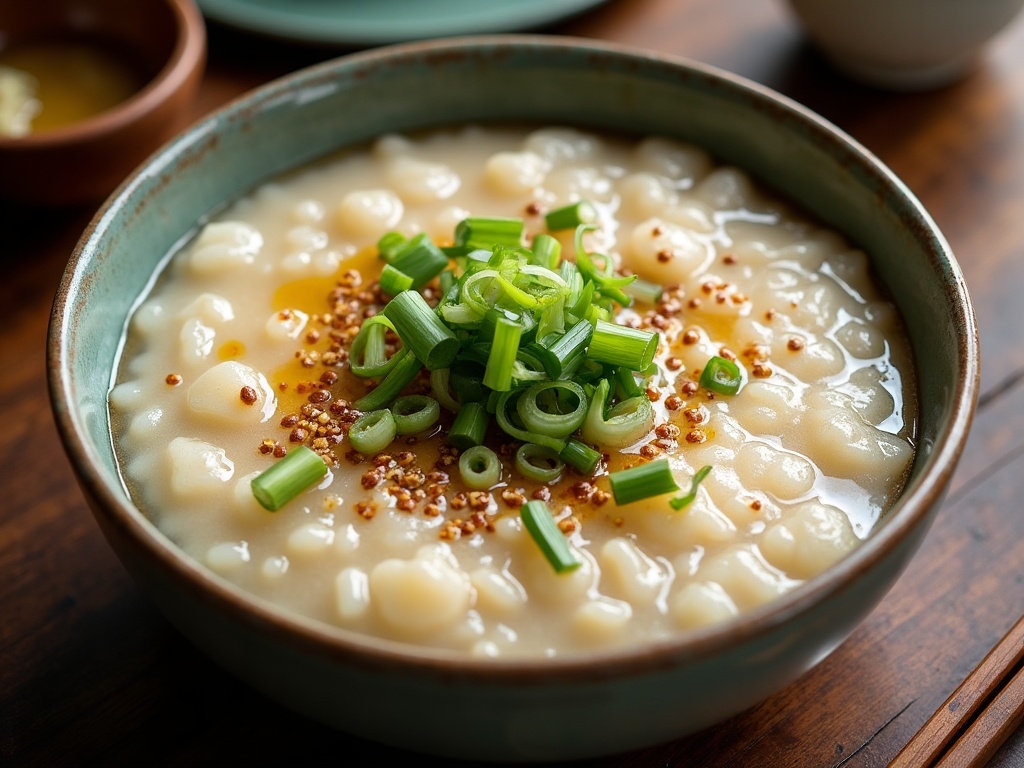
The comfort one: rice simmered into a silky savory porridge. The opposite of fried rice — slow, soothing, and endlessly topped however you like.
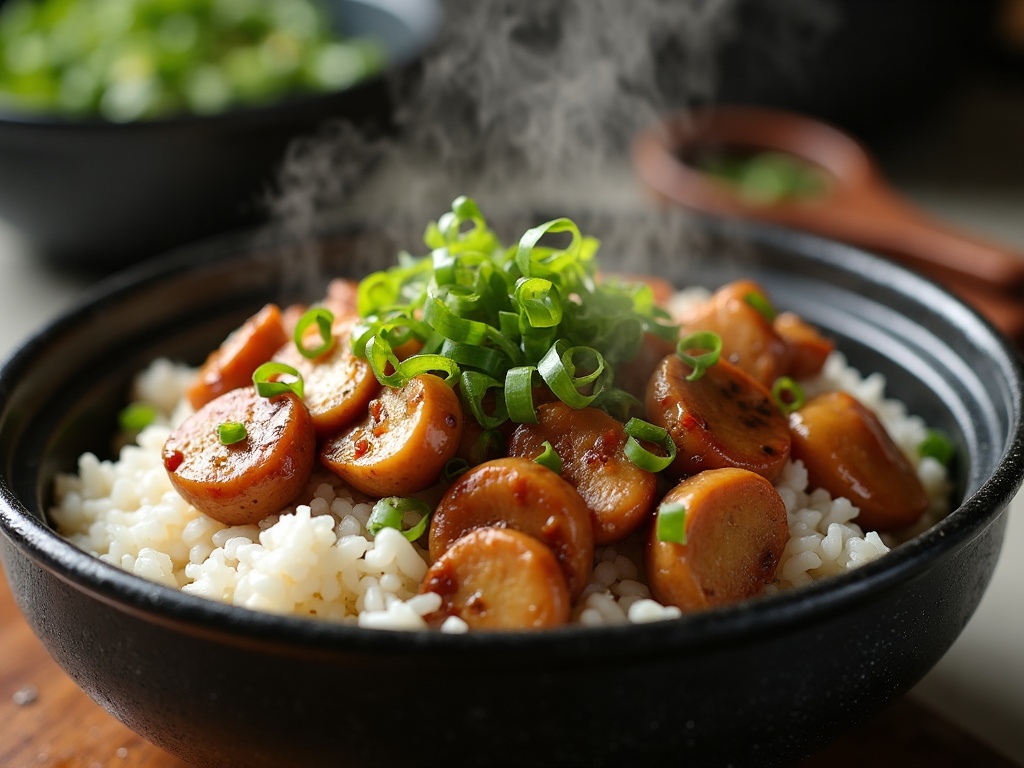
The hands-off one: marinated chicken and mushrooms cooked on top of the rice in a rice cooker, claypot-style. Fifteen minutes of prep, then the machine does dinner.
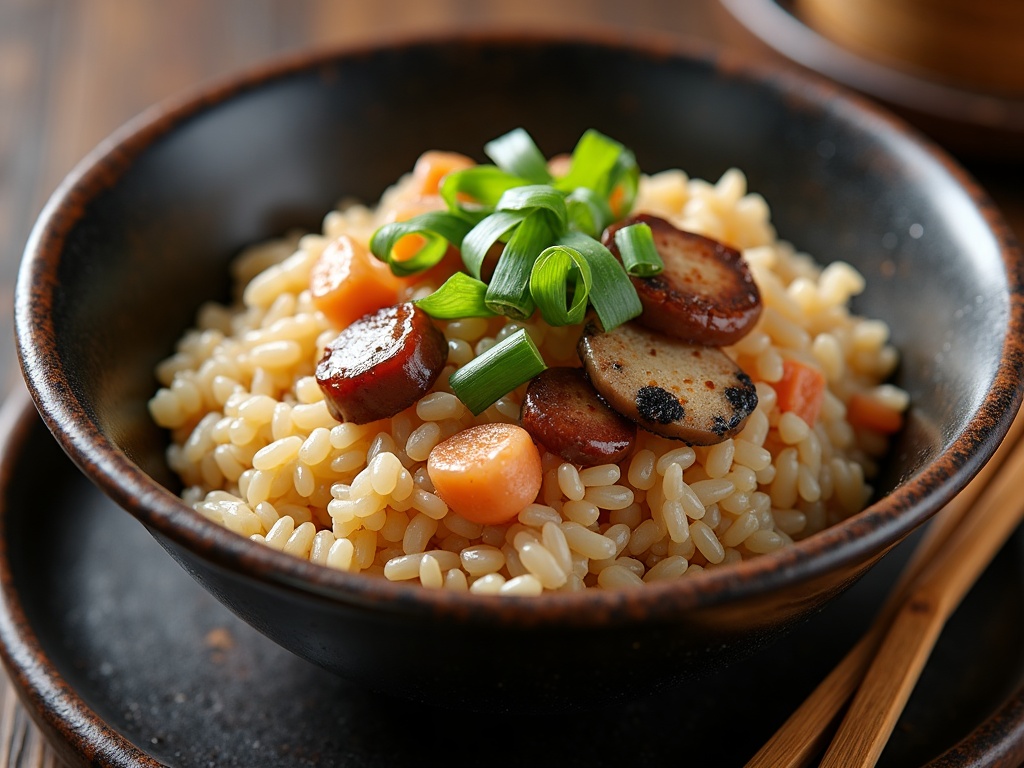
The chewy one: glutinous rice stir-fried with Chinese sausage, dried shrimp, and shiitake. A dim-sum favorite, and proof that 'rice' covers a whole different grain and texture.
For most dishes, long-grain jasmine rice — it's fragrant and cooks up fluffy. For fried rice, use cold day-old jasmine so the grains stay separate. Congee uses the same rice simmered with much more water. Sticky rice dishes, though, need glutinous (sweet) rice, which is a different grain entirely. Match the rice to the dish for the right texture.
Freshly cooked rice is moist and clumps when stir-fried, turning mushy. Day-old rice that's been chilled has dried out and firmed up, so the grains separate and toast in the hot wok instead of steaming. If you only have fresh rice, cook it a little drier and spread it on a tray in the fridge for an hour before frying.
Fried rice uses regular long-grain rice (ideally day-old) and stays light and separate. Sticky rice (lo mai fan) uses glutinous 'sweet' rice that's soaked and cooked dense and chewy. They're different grains and textures — fried rice is fluffy and quick; sticky rice is chewy, rich, and more of a project. They aren't interchangeable.
Yes — the rice cooker is great for more than plain rice. It makes excellent congee on a porridge cycle, and one-pot meals where a marinated protein cooks on top of the rice, claypot-style. Its steady, even heat handles the timing for you. Fried rice, though, still needs a hot wok to toast the grains properly.
The 12 pantry staples, the 5 techniques, and a week of beginner-friendly dinners — plus a new decoded recipe each week.