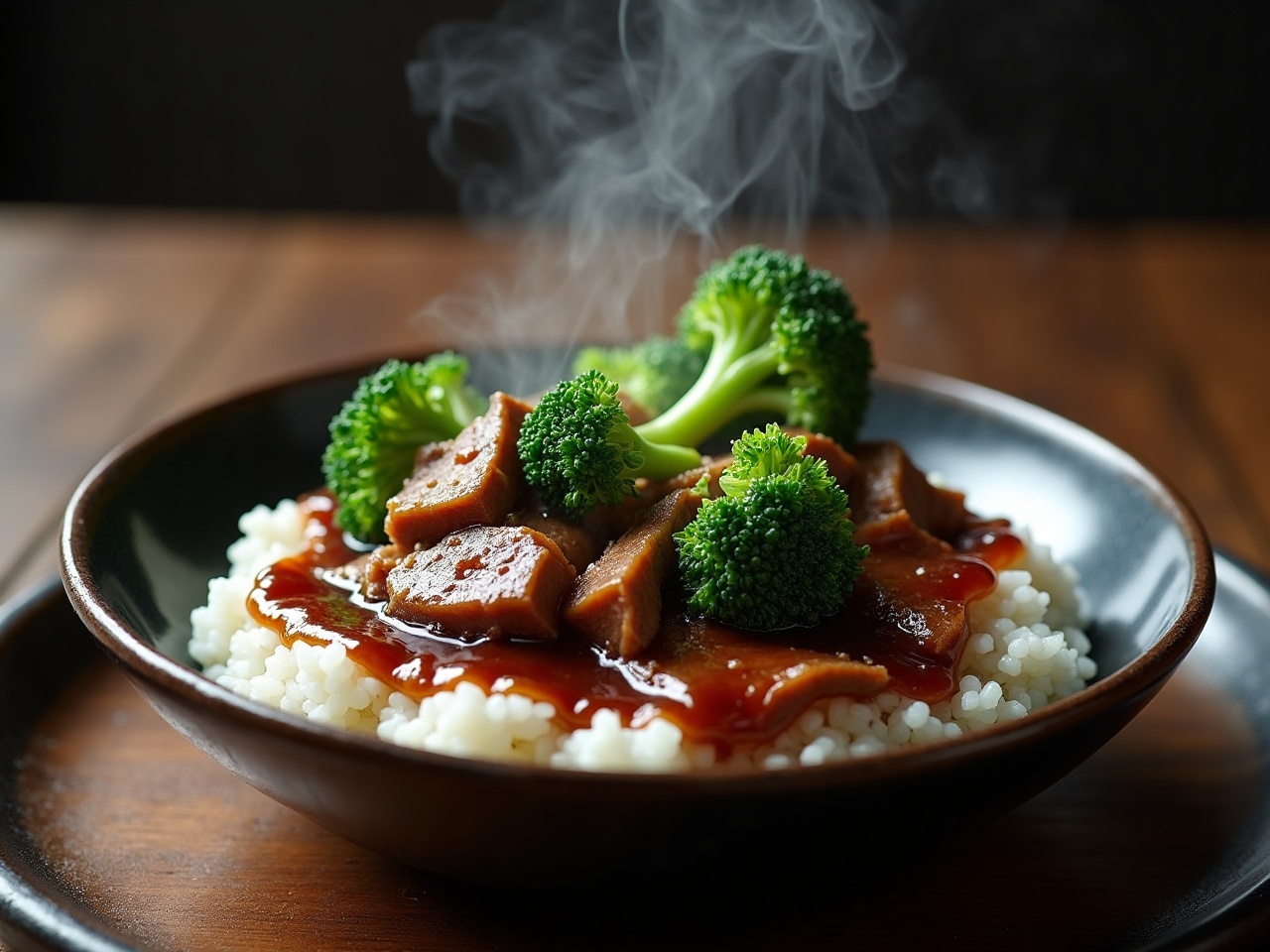
1. Beef and Broccoli
27 min · Beginner · Cantonese
The takeout staple, done right — silky velveted beef and crisp-green broccoli in a glossy brown garlic sauce. The gateway Chinese beef stir-fry.
By The Chowmi Test Kitchen · Updated June 6, 2026
Tender, glossy, savory beef is one of the things Chinese cooking does best — and the secret is almost always the same: velveting, a quick cornstarch marinade that keeps thin-sliced beef silky through high-heat cooking. These Chinese beef recipes run from the sweet-savory crispy edges of Mongolian beef to the smoky wide-noodle wok hei of beef chow fun, with the takeout classics beef and broccoli and black pepper beef in between. All are written for a US kitchen, use a regular grocery store's ingredients (with substitutes noted), and come together fast once your prep is done. Slice against the grain, get the pan hot, and you'll beat takeout every time.
The takeout staple, done right — silky velveted beef and crisp-green broccoli in a glossy brown garlic sauce. The gateway Chinese beef stir-fry.
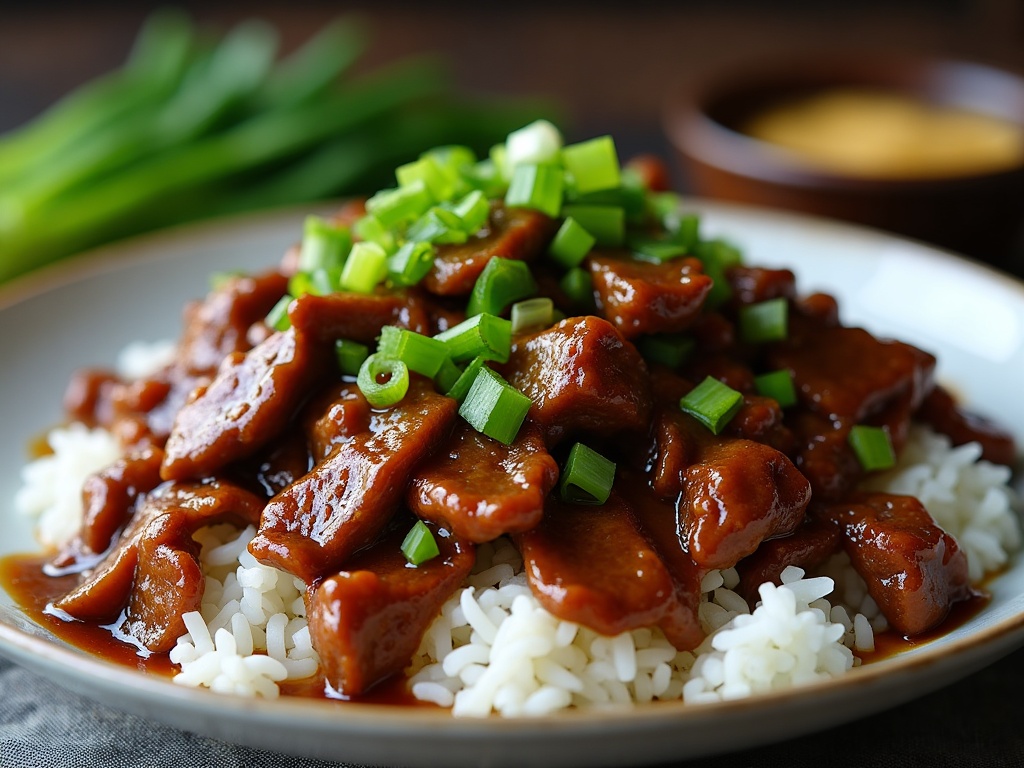
Crispy-edged beef in a sweet-savory ginger-soy glaze loaded with scallions. No deep-frying needed, and far fresher than delivery.
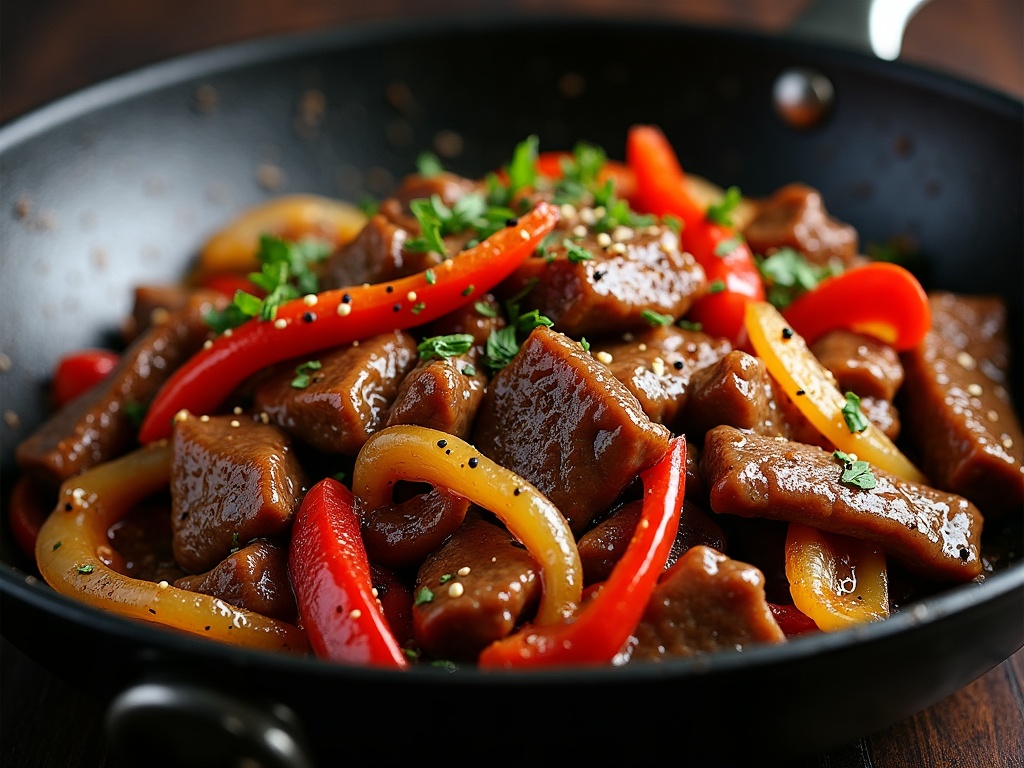
Bold, peppery and deeply savory — tender beef and sweet onions in a punchy black pepper sauce. Anything but bland.
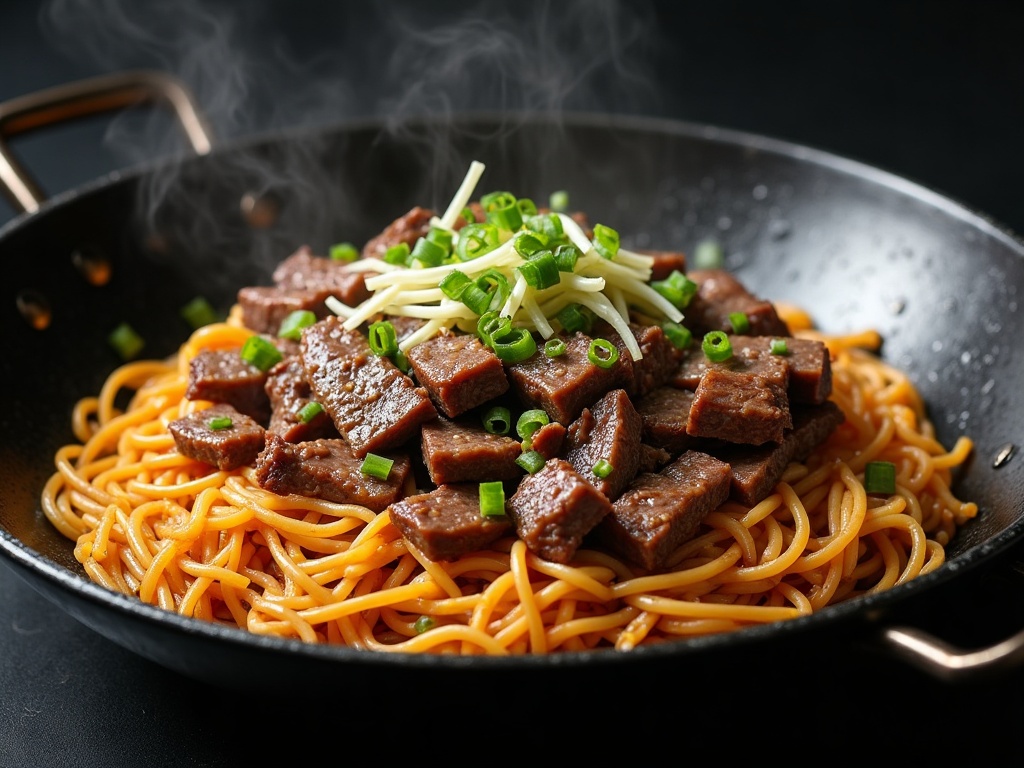
Wide rice noodles and beef with charred, smoky wok hei. The classic test of stir-fry skill, and the payoff is silky, smoky noodles.
The technique is velveting: thin-sliced beef is tossed with cornstarch, soy sauce and rice wine (sometimes baking soda or egg white) and left to marinate briefly before a quick, hot sear. The starch coating locks in moisture and shields the meat from the high heat, keeping it silky and tender. Slicing thin and against the grain is the other half of the secret.
Flank steak is the go-to — flavorful and tender when sliced thin against the grain. Skirt steak, sirloin, flat iron and tri-tip also work well. Avoid tough, slow-cooking cuts like chuck for quick stir-fries. Whatever you use, slice it thinly across the grain and velvet it.
Slicing against the grain cuts across the muscle fibers, shortening them so each bite is more tender and easier to chew. With the grain, the long fibers stay intact and the beef turns chewy and stringy. Look for the lines running through the meat and cut perpendicular to them, as thinly as you can.
No — Mongolian beef is a Chinese-American restaurant dish with no real connection to Mongolian cuisine. It's a sweet-savory soy-and-ginger beef stir-fry that became a takeout favorite in the US. The name simply borrows an exotic association; the dish is delicious regardless.
The 12 pantry staples, the 5 techniques, and a week of beginner-friendly dinners — plus a new decoded recipe each week.